What is stereotactic radiotherapy?
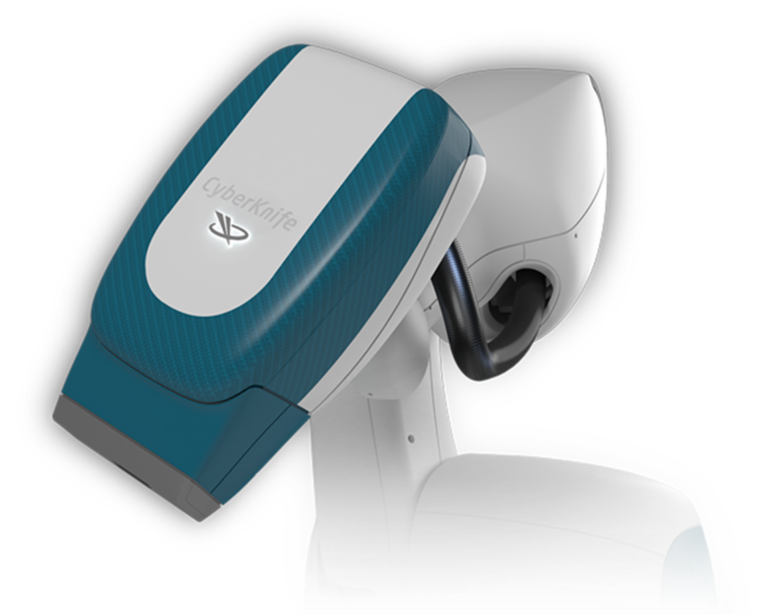
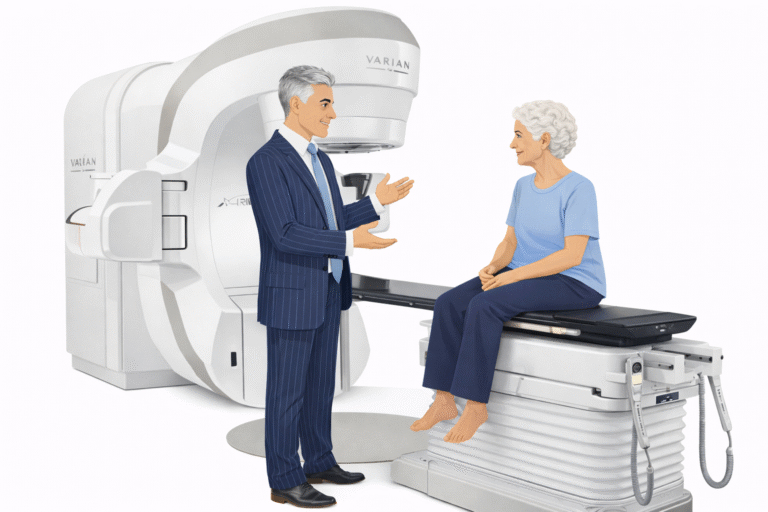
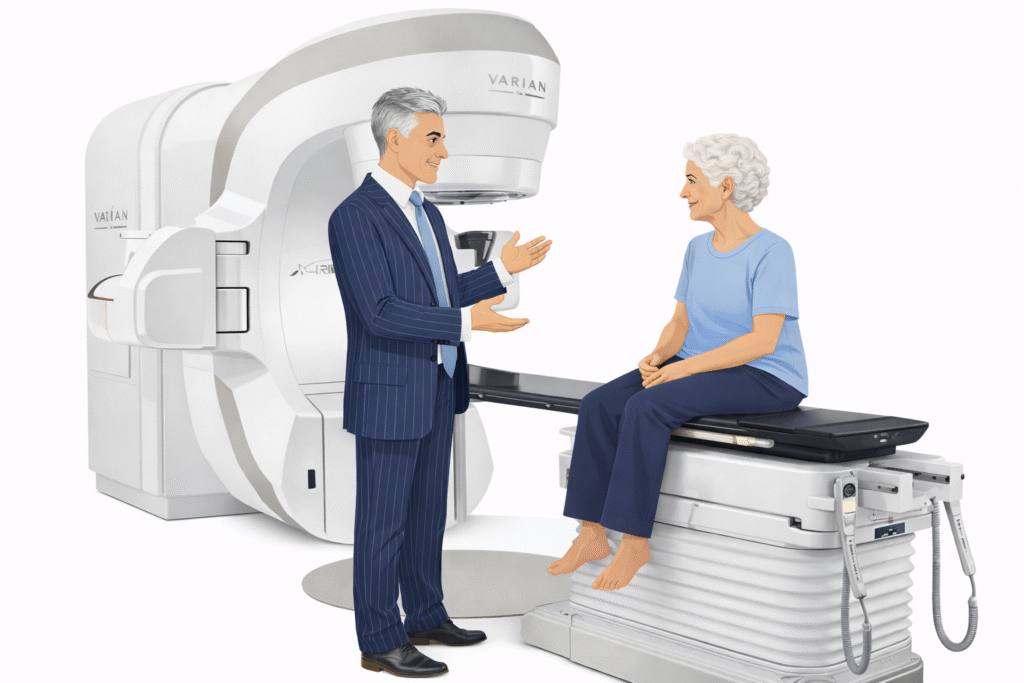
Stereotactic radiotherapy is an advanced form of radiation therapy that delivers highly focused radiation to a precisely defined target.
When this technique is used to treat tumours in the body, it is often called stereotactic ablative body radiotherapy, or SABR. A related technique used for targets in the brain is commonly known as stereotactic radiosurgery, or SRS.
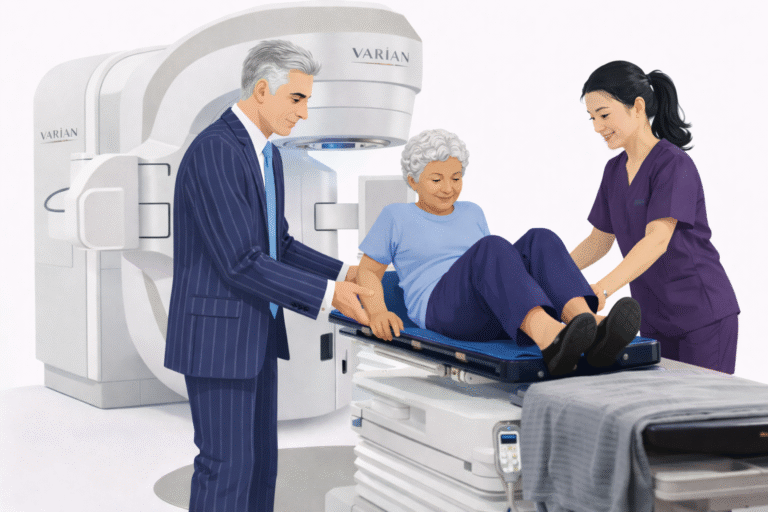
SABR uses detailed imaging, specialised treatment planning and precise patient positioning to deliver radiation from multiple directions. The aim is to deliver an effective dose to the tumour while limiting radiation exposure to surrounding healthy tissues and nearby organs.
One of the main differences between SABR and conventional radiation therapy is the number and size of treatment doses. Conventional radiotherapy may be delivered over several weeks, whereas SABR is usually delivered in a smaller number of treatment sessions using a higher dose per treatment.
The exact number of treatments varies according to the type, size and location of the tumour, as well as nearby normal structures and the individual patient’s circumstances.
SABR is not suitable for every cancer or every patient. Whether it is appropriate depends on a number of clinical and technical factors that should be considered by a radiation oncologist.
What is stereotactic radiotherapy used for?
Stereotactic radiotherapy can be used in several different cancer settings. These include treatment of selected primary cancers and treatment of individual sites of metastatic disease.
Primary cancers
For some localised cancers, SABR can be used as a definitive treatment. It is well established in selected patients with early-stage lung cancer and is also used in particular circumstances for cancers involving organs such as the prostate and kidney.
The suitability of SABR varies considerably between cancer types. Tumour size and location, previous treatments, proximity to sensitive organs and a person’s overall health can all influence whether stereotactic treatment is appropriate.
For this reason, SABR should not be considered simply as a replacement for other cancer treatments. Surgery, conventional radiotherapy, systemic therapies and stereotactic radiotherapy each have different roles, and treatment recommendations should be individualised.
Oligometastatic disease
SABR may also be considered when cancer has spread beyond its original site.
The term oligometastatic disease describes a situation in which a person has a limited number of metastatic sites. In appropriately selected patients, stereotactic radiotherapy can be used to target individual areas of visible disease.
The goals of treatment vary between patients. Depending on the clinical situation, SABR may be used to achieve durable control of treated metastases, prolong a period without progression, or delay the need to commence or change systemic treatment.
Importantly, treating the disease that can be seen on imaging does not necessarily mean that microscopic cancer is absent elsewhere in the body. Decisions about SABR therefore need to take into account the biology of the cancer, previous treatment, imaging findings and the broader treatment plan.
Oligoprogressive disease
Another potential use of SABR is oligoprogressive disease.
This occurs when metastatic cancer is generally being controlled by systemic treatment, such as hormone therapy, chemotherapy, targeted therapy or immunotherapy, but a small number of individual sites begin to grow.
In selected circumstances, stereotactic radiotherapy can be directed at these progressing areas while the existing systemic treatment is continued.
The aim may be to control the resistant sites and potentially extend the period for which the current systemic therapy remains useful. Whether this approach is appropriate depends on the cancer type, extent of disease, previous treatment and the individual patient’s circumstances.
What are the potential advantages of SABR?
Precision
SABR is designed to concentrate radiation on a defined target while reducing the dose received by surrounding normal tissues. Modern image guidance is used during treatment to confirm the position of the target and account for movement where necessary.
A shorter treatment course
SABR is generally delivered over considerably fewer treatment sessions than many conventional radiotherapy schedules. This can reduce the number of visits required for treatment.
Non-invasive treatment
SABR does not require a surgical incision. Treatment itself is generally painless, although preparation for treatment may sometimes involve additional procedures such as the insertion of fiducial markers, depending on the part of the body being treated.
High levels of local tumour control
For appropriately selected cancers and metastatic lesions, SABR can provide a high probability of controlling the tumour at the site that has been treated.
Local control, however, is different from controlling cancer throughout the body. This distinction is particularly important for people with metastatic disease.
Limiting radiation to surrounding tissues
The precision of stereotactic treatment allows radiation dose to fall away relatively quickly outside the target. This can help protect surrounding organs, although SABR can still cause side effects and these vary substantially according to the area being treated.
Does SABR have side effects?
Yes. Although stereotactic radiotherapy is highly targeted, it is still a form of radiation therapy and can cause side effects.
The potential effects depend strongly on the location being treated, the radiation dose, the number of treatments, nearby organs and whether radiation has previously been given to the same region.
Some patients experience relatively minor short-term effects, such as fatigue or temporary discomfort, while treatment of particular areas can carry more specific risks.
Before proceeding with SABR, a radiation oncologist should explain both the expected benefits and the relevant short-term and long-term risks for the particular treatment being considered.
Is stereotactic radiotherapy right for everyone?
No. SABR is a specialised treatment and patient selection is important.
Factors considered when assessing suitability may include:
the type and behaviour of the cancer
the number, size and location of tumours
previous treatments
proximity of the tumour to sensitive normal structures
findings on imaging
whether cancer is present elsewhere
the person’s general health and treatment goals.
In some situations, conventional radiotherapy or another treatment approach may be more appropriate.
Stereotactic radiotherapy at Pinpoint Radiotherapy
Pinpoint Radiotherapy provides specialist assessment for patients who may be suitable for stereotactic radiotherapy.
Our approach begins with understanding the individual patient’s cancer, previous treatment and imaging. Where stereotactic treatment is being considered, careful planning is then used to determine whether the tumour can be safely and accurately targeted.
For patients with metastatic disease, SABR is considered as one component of the broader cancer treatment plan rather than in isolation. Where appropriate, treatment may also be discussed with the patient’s other treating specialists.
If you would like to understand whether stereotactic radiotherapy may have a role in your treatment, you can contact Pinpoint Radiotherapy to arrange an appointment with a radiation oncologist.
Evidence and further reading
Timmerman R, Herman J, Cho LC. Emergence of stereotactic body radiation therapy and its expanding role in cancer treatment. Adv Drug Deliv Rev. 2017. PubMed
Palma DA, Olson R, Harrow S, et al. Stereotactic ablative radiotherapy versus standard of care palliative treatment in patients with oligometastatic cancers (SABR-COMET). Lancet. 2019. PubMed
Palma DA, Olson R, Harrow S, et al. Stereotactic Ablative Radiotherapy for the Comprehensive Treatment of Oligometastatic Cancers: Long-Term Results of the SABR-COMET Phase II Randomized Trial. J Clin Oncol. 2020. PubMed
Lievens Y, Guckenberger M, Gomez D, et al. Defining oligometastatic disease from a radiation oncology perspective: an ESTRO-ASTRO consensus document. Radiother Oncol. 2020. PubMed