What Happens If You Are Considering LDRT?
For many people, the idea of having radiotherapy for osteoarthritis initially sounds unusual.
Radiotherapy is more commonly associated with cancer treatment. However, low-dose radiotherapy, or LDRT, uses much smaller doses of radiation with a very different objective.
For osteoarthritis, treatment is aimed at influencing inflammation within and around a painful joint rather than destroying tissue.
The treatment itself is straightforward. There are no injections involved in delivering the radiation, no anaesthetic is required, and there is generally no recovery period after each treatment.
At Pinpoint Radiotherapy, a typical course consists of six treatments of 0.5 Gy, giving a total dose of 3 Gy.
Here is what patients can generally expect from consultation through to follow-up.
Step 1 Initial Consultation
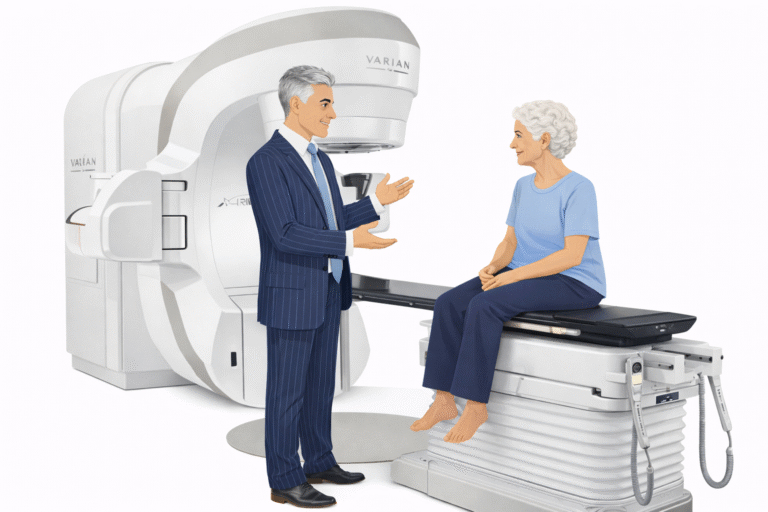
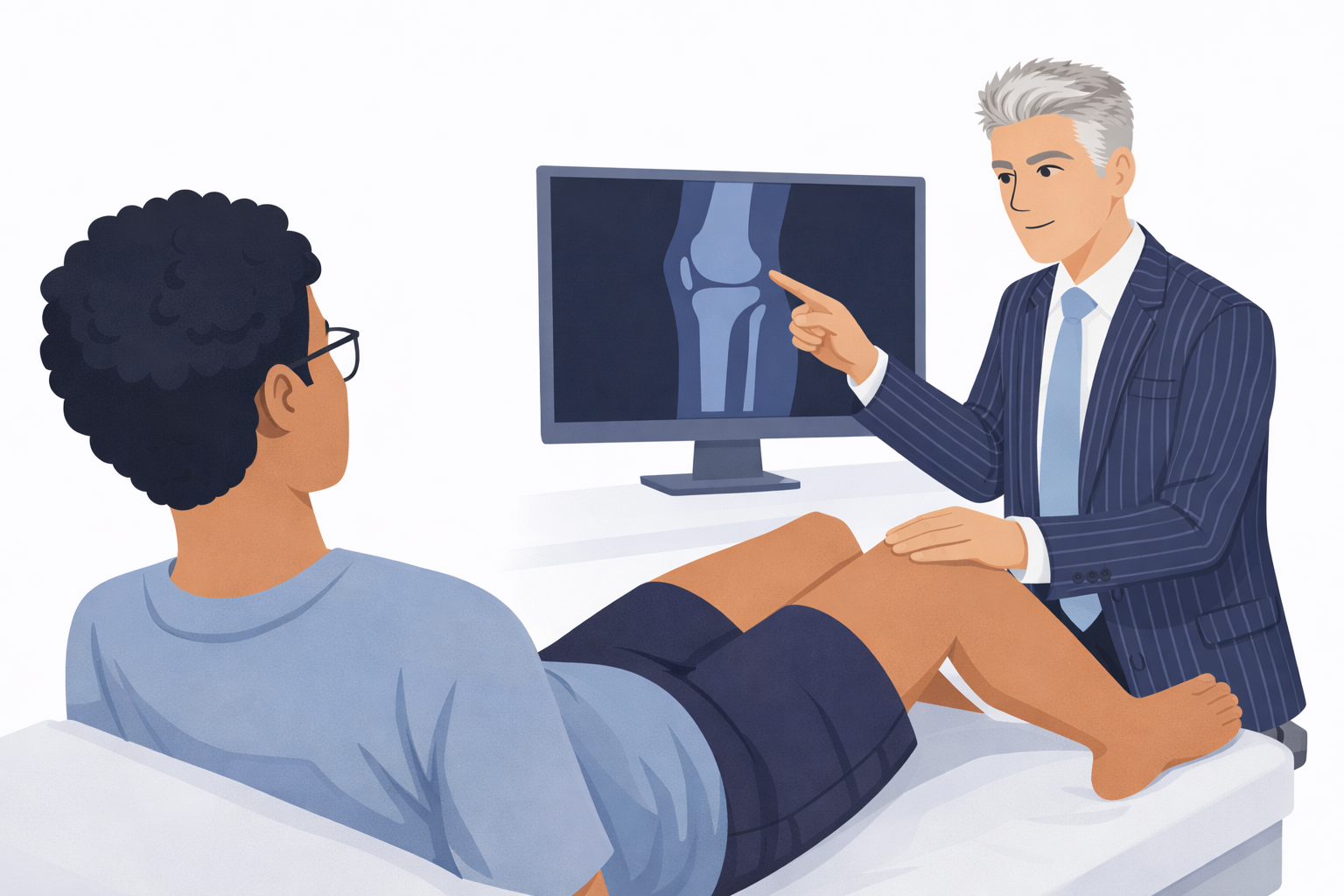
The first step is an appointment with a radiation oncologist who has specialised training in musculoskeletal management.
This is important because not every painful joint will benefit from LDRT and not every patient with osteoarthritis is an appropriate candidate.
The consultation includes a review of:
where the pain is located
how long symptoms have been present
how pain affects walking, sleep and everyday activities
previous treatments
medications
previous injections or procedures
relevant medical conditions
X-rays, MRI scans or other imaging where available.
The aim is to confirm that osteoarthritis is likely to be responsible for the symptoms and to determine whether LDRT is a reasonable treatment to consider.
It is also an opportunity to discuss what LDRT can and cannot achieve.
LDRT does not rebuild damaged cartilage or reverse the structural changes of osteoarthritis.
The goal is to reduce pain and inflammatory activity sufficiently to improve comfort and function.
Who Is Usually Considered for Treatment?
LDRT is generally considered after appropriate conservative treatments have already been tried.
These might include:
exercise and strengthening
physiotherapy
weight management where appropriate
simple pain medication
anti-inflammatory medication where appropriate
braces or other supportive measures
injections in selected patients.
The decision is individual.
Someone with significant pain and relatively moderate changes on an X-ray may be quite different from another person with advanced structural joint damage and predominantly mechanical symptoms.
The pattern of symptoms matters as much as the X-ray.
Step 2 Radiotherapy Planning
If LDRT is considered appropriate, the next step is treatment planning.
This usually involves a planning CT scan.
The purpose of this scan is not to diagnose the osteoarthritis again. Instead, it allows the radiation therapy team to accurately identify the joint and surrounding anatomy and design the area that will receive treatment.
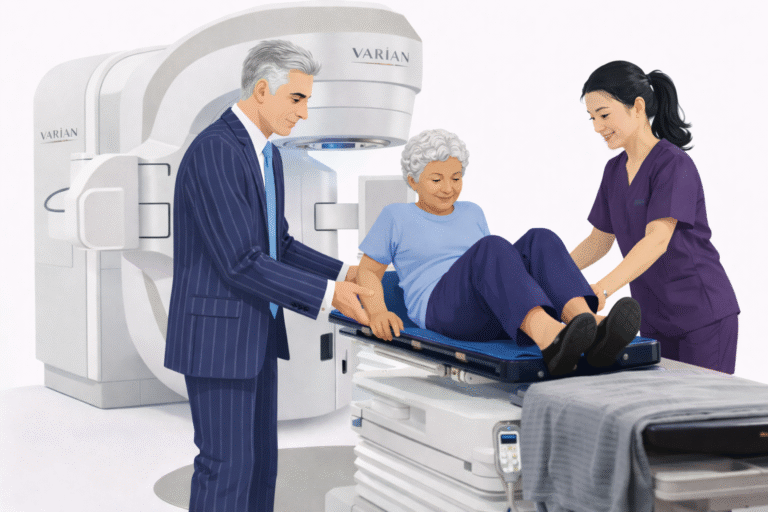
You will be positioned in a comfortable and reproducible position.
Depending on the joint being treated, simple positioning supports may be used to help you remain comfortable and keep the joint in the same position each day.
The planning scan itself is painless.
Nothing is being treated at this appointment.
Why Is Planning Necessary for Such a Low Dose?
Although the radiation dose is low, treatment is still planned carefully.
Modern radiotherapy allows us to define the area being treated and minimise unnecessary radiation exposure to surrounding tissues.
International experts have recently developed increasingly standardised three-dimensional treatment volumes for osteoarthritis, reflecting the growing emphasis on consistent planning and delivery of LDRT.
The principle is simple.
Use enough radiation to treat the relevant joint and surrounding tissues while avoiding radiation to areas that do not need treatment.
Step 3 Your Six Treatment Sessions
A typical course at Pinpoint Radiotherapy consists of:
0.5 Gy × 6 treatments = 3 Gy total
Treatments are generally delivered on alternate days over approximately two to three weeks.
For example, treatment might occur on Monday, Wednesday and Friday one week and continue the following week.
The precise schedule may vary slightly according to the treatment centre and individual circumstances.
What Happens When I Arrive for Treatment?
At each appointment, the radiation therapists position you in the same way used during your planning scan.
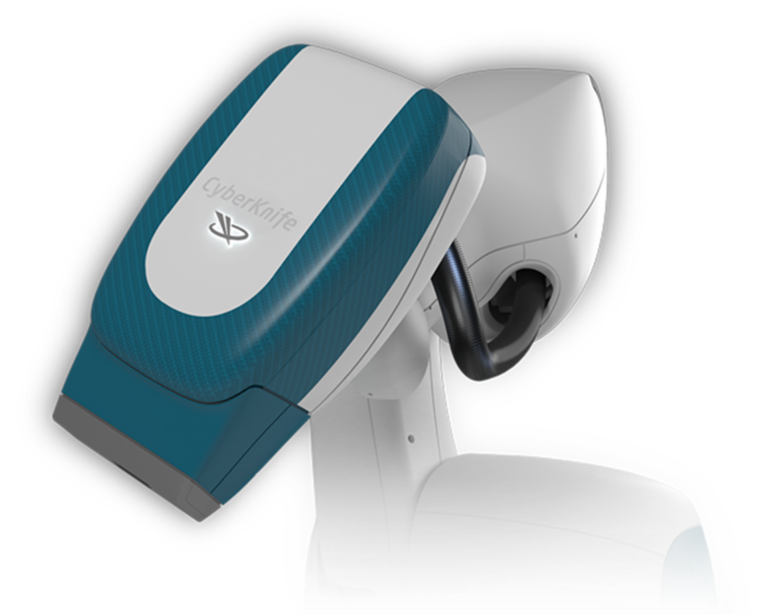
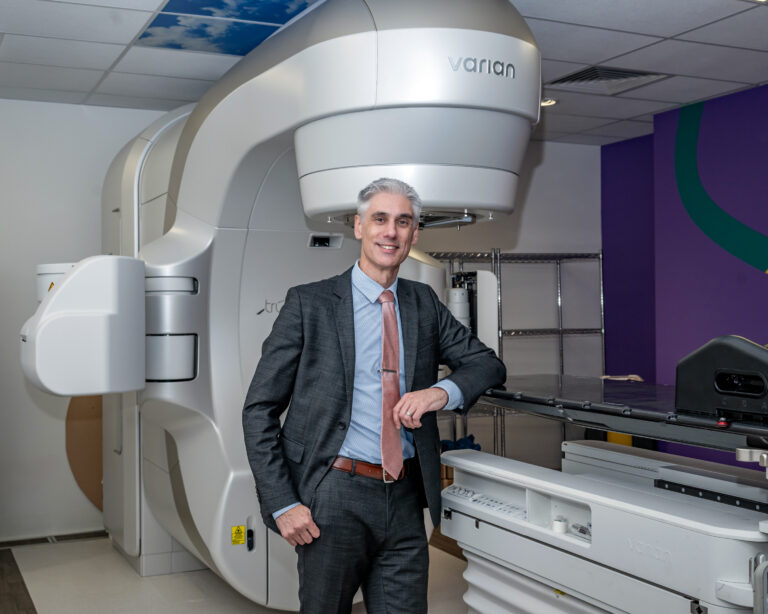
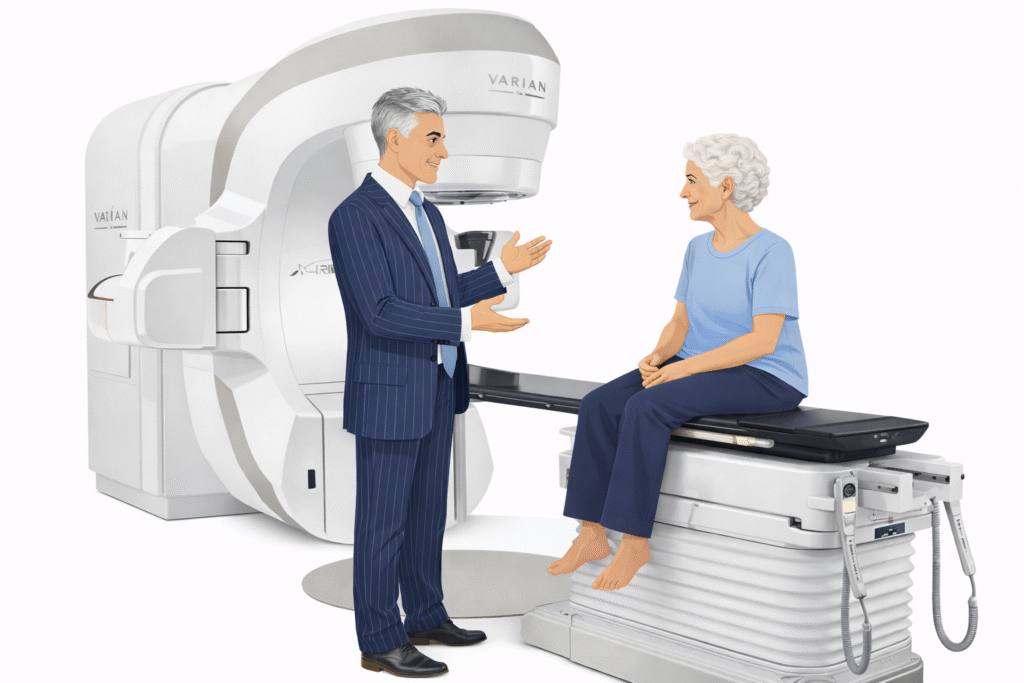
The treatment machine is called a linear accelerator.
It is the same general type of machine used for cancer radiotherapy, but the radiation dose being delivered for osteoarthritis is much lower.
Once you are positioned correctly, the treatment team leaves the room while the radiation is delivered.
They can see and communicate with you throughout the treatment.
The machine may move around the joint depending on the treatment plan.
Nothing touches you and you do not feel the radiation.
How Long Does Each Treatment Take?
Most of the appointment is spent positioning you accurately.
The actual radiation delivery is usually brief.
Treatment appointments are therefore generally short, although the exact time depends on the joint being treated and the technique used.
There is no need for an anaesthetic and you can usually leave the department immediately afterwards.
Does LDRT Hurt?
No.
Radiation itself cannot be felt.
There is no heat, electric sensation or burning while the radiation is being delivered.
You simply need to remain reasonably still while the treatment is given.
For some people with painful knees, hips, shoulders or other joints, the most uncomfortable part can simply be holding the joint in one position for several minutes.
The radiotherapy team can use supports and positioning aids to make this as comfortable as possible.
Will I Be Radioactive Afterwards?
No.
LDRT uses external beam radiation.
Radiation is produced by the treatment machine only while the machine is switched on.
Once treatment finishes, no radiation remains in your body.
You can immediately be around family members, children, grandchildren and pets.
Can I Drive Home?
In most cases, yes.
LDRT does not cause sedation or numbness and there is generally no recovery period following treatment.
Patients can usually drive themselves to and from appointments and continue their normal daily activities.
Individual circumstances may of course differ, particularly when mobility is already limited by the underlying osteoarthritis.
Do I Need to Stop Physiotherapy or Exercise?
Usually not.
LDRT is intended to form part of the broader management of osteoarthritis rather than replace it.
Exercise, strengthening and maintaining mobility remain important.
In most cases, patients can continue their existing exercise or physiotherapy program, adjusted according to comfort.
If pain begins to improve, it can be tempting to suddenly increase activity.
A gradual return to more demanding activity is generally more sensible, particularly if a joint has been painful and underused for a long period.
Do I Need to Stop My Other Arthritis Treatments?
Usually there is no need to stop other osteoarthritis management simply because you are receiving LDRT.
Medication and other treatments should be reviewed individually with your treating doctors.
One of the advantages of LDRT is that it does not usually prevent other treatment options from being considered later if they are required.
Will I Feel Better During the Six Treatments?
Possibly, but not necessarily.
LDRT is different from a local anaesthetic injection or a pain-relieving medication.
Some patients notice improvement during or shortly after treatment, but for many people any change is gradual.
It is completely reasonable to finish all six treatments without noticing a dramatic immediate difference.
This does not necessarily mean the treatment has been unsuccessful.
The response can continue to develop over the weeks following treatment.
When Should I Expect to Notice a Difference?
When LDRT works, improvement often develops over several weeks to a few months.
Patients may notice changes such as:
less pain when walking
less night pain
reduced morning stiffness
improved ability to climb stairs
greater walking distance
reduced reliance on pain medication
improved confidence using the affected joint.
Not every patient experiences all of these changes.
Some have substantial improvement, some experience a partial reduction in symptoms and some do not respond.
For this reason, we do not usually judge the final result immediately after the sixth treatment.
What Happens After the Last Treatment?
There is no special recovery period after the final treatment.
You can generally continue your usual activities.
The next step is to allow time for any response to develop.
At Pinpoint Radiotherapy, we generally review patients at approximately three months after treatment.
This allows enough time to assess whether there has been a meaningful change in pain, mobility or function.
It can be useful to think about practical changes rather than focusing only on a pain score.
For example:
Can you walk further?
Are stairs easier?
Are you sleeping better?
Are you taking less pain medication?
Can you return to an activity that pain had previously prevented?
These changes can sometimes provide a better measure of benefit than a single numerical pain score.
What If I Have Only a Partial Response?
A partial response can still be meaningful.
Someone whose pain has reduced from severe to moderate, or who can walk considerably further before pain develops, may consider treatment worthwhile even if the symptoms have not disappeared completely.
In patients who have experienced some benefit but continue to have troublesome symptoms, a second course of LDRT may sometimes be considered.
This is usually assessed after the first treatment response has had sufficient time to develop, often at around the three-month follow-up.
A second course is not automatically required and is considered individually.
What If LDRT Does Not Work?
LDRT does not work for everyone.
If there has been no meaningful improvement after an appropriate period of follow-up, repeating treatment is less likely to be useful and the overall management plan should be reconsidered.
Other treatment options remain available.
Receiving LDRT does not mean that a patient has committed themselves to radiotherapy as their only form of osteoarthritis management.
What Side Effects Might I Notice During Treatment?
Because the radiation dose is low, most patients notice little or nothing during the treatment course.
Depending on the area being treated, mild temporary skin irritation can occasionally occur.
Some patients can also experience a temporary fluctuation in their symptoms.
Significant immediate radiation side effects are uncommon with the low doses used for osteoarthritis.
Long-term radiation exposure is a separate consideration and is discussed during the consultation.
Although the estimated risks associated with treating peripheral joints at these doses appear low, the risk is not considered zero.
Patient age, the joint being treated and the tissues within the radiation field all form part of the decision about whether treatment is appropriate.
We discuss this in more detail in our separate article examining the safety of LDRT.
Is the Radiation Dose Really Low?
Yes.
A typical osteoarthritis course at Pinpoint Radiotherapy delivers a total dose of 3 Gy.
For comparison, courses of radiotherapy used to treat cancer commonly involve total doses many times higher.
However, comparing the numbers alone does not fully describe radiation risk because the area of the body exposed also matters.
This is why treatment is carefully planned even when the total dose is low.
Can More Than One Joint Be Treated?
Sometimes.
Many people with osteoarthritis have symptoms affecting more than one joint, such as both knees or both hands.
Whether multiple joints should be treated at the same time depends on the location of the joints, severity of symptoms and individual circumstances.
The most troublesome joints are identified during the initial consultation and a treatment plan is developed accordingly.
LDRT at Pinpoint Radiotherapy
At Pinpoint Radiotherapy, low-dose radiotherapy is considered as part of an individualised approach to persistent osteoarthritis symptoms.
The process generally involves:
Consultation with a radiation oncologist
Review of your symptoms, previous treatment and imaging
A radiotherapy planning appointment
Six treatments of 0.5 Gy
Treatment over approximately two to three weeks
Follow-up at approximately three months
Consideration of further treatment only where appropriate
The radiation treatment itself is painless and requires no anaesthetic or recovery period.
The more important part of the process is appropriate patient selection and allowing enough time after treatment to determine whether it has helped.
For selected patients with persistent osteoarthritis symptoms despite conservative management, LDRT provides an additional option that can be considered alongside their existing osteoarthritis care.
If you would like to discuss whether low-dose radiotherapy may be appropriate for your joint pain, you can contact Pinpoint Radiotherapy to arrange an appointment with a radiation oncologist.
Evidence and further reading
Dove A, Koneru B, Small W Jr, et al. American Radium Society Appropriate Use Criteria for Low-Dose Radiotherapy for Treatment of Osteoarthritis. Am J Clin Oncol. 2026. PubMed
Steike DR, Seegenschmiedt MH, Shaffer R, et al. Three-Dimensional Radiation Therapy Target Volume Definitions for Osteoarthritis. Consensus Statement of the International Benign Target Volume Group. Int J Radiat Oncol Biol Phys. 2026. PubMed
Koneru BN, Sick J, Shaikh HA, et al. Low-Dose Radiation Therapy for Osteoarthritis: A Retrospective Single-Institution Analysis of 69 Patients and 168 Joints. Int J Radiat Oncol Biol Phys. 2025. PubMed